Why Every Performance Gym Needs a Sled Turf Track: 5 Key Benefits
Imagine the harsh scrape of a heavy metal sled across concrete—loud, abrasive, and damaging—versus the smooth, powerful glide over a dedicated gym turf lane. In today's high-performance fitness world, the functional zone has become the core of elite training facilities. Gym owners often face noise issues from members, fast equipment wear, and cramped spaces limiting explosive movements. Standard rubber flooring holds up but falls short on the traction and cushioning needed for heavy sled work and precise sprint mechanics.
Installing specialized gym turf changes everything. It turns a basic weight room into a professional performance hub, improving athlete safety, increasing member satisfaction and retention, and delivering strong returns on your facility investment. This article breaks down five key benefits: unmatched versatility for functional training, superior safety through impact absorption, optimized traction for explosive power, long-term durability and floor protection, plus stunning aesthetics that strengthen your brand.
Ready to discover why every serious performance gym needs a sled turf track? Let’s dive in.

1. Unmatched Versatility for Functional Training
Beyond the Sled: A Multipurpose Surface
Gym turf opens up a world of movements that feel awkward or risky on rubber or wood floors. The textured surface provides consistent grip without the slipperiness of sweaty mats.
You can confidently program:
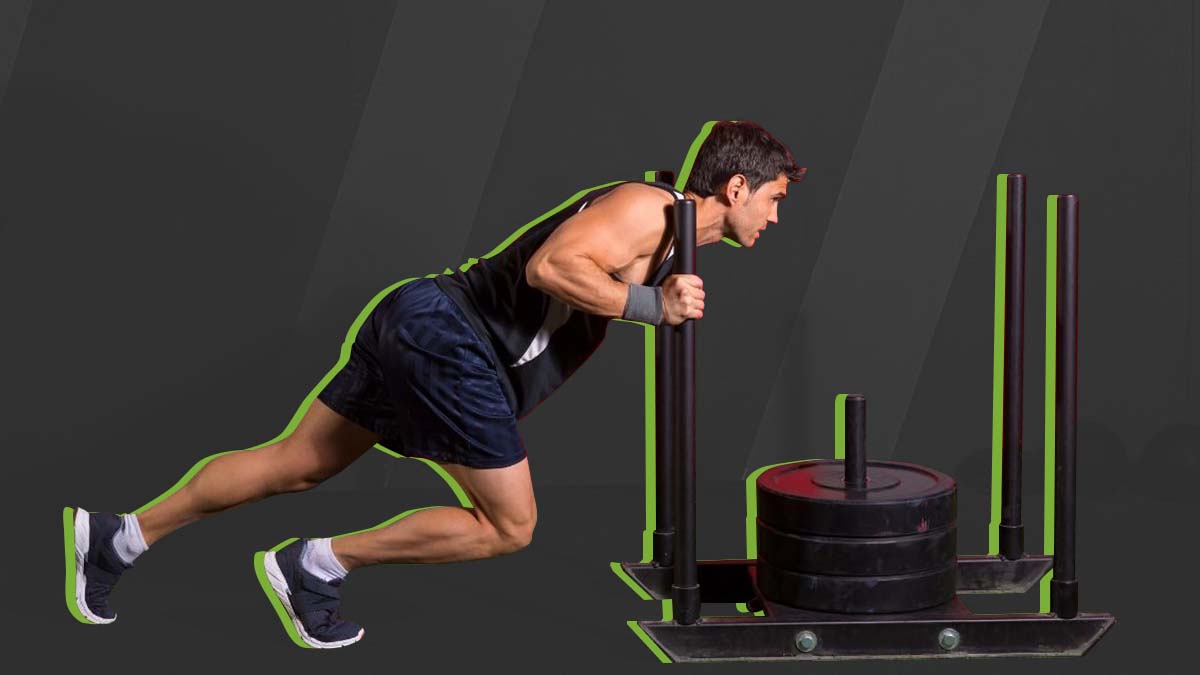
- Heavy sled pushes and pulls for metabolic conditioning
- Tire flips and battle rope slams
- Bear crawls, mountain climbers, and dynamic lunges
- HIIT circuits blending strength and cardio
This adaptability makes gym turf essential for modern programming that mixes power, agility, and endurance.
Creating a "Zone-Based" Gym Layout
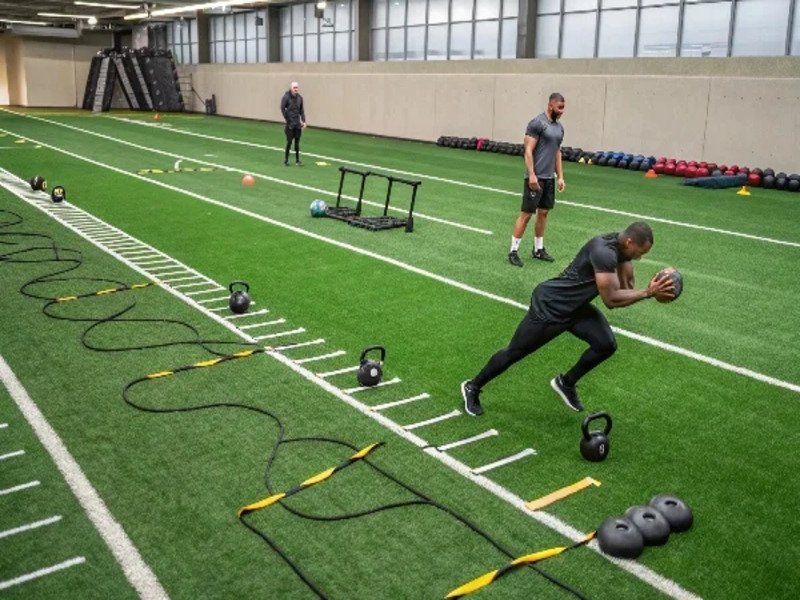
A dedicated sled track creates a clear "performance lane" that psychologically signals high-intensity work. Athletes know exactly where to go for explosive drills, reducing confusion.
The visual contrast—vibrant green turf against dark rubber—guides traffic flow and enhances safety. Members stay in designated zones, minimizing collisions during busy sessions.

Accommodating Group Fitness and Personal Training
Your sled track doubles as prime real estate for group warm-ups, cool-downs, and team-building sessions. Trainers lead plyometric circuits or partner drills on the non-slip surface with confidence.
Functional fitness continues to surge in popularity. Industry reports show group classes on turf-based setups growing rapidly, with many facilities noting higher participation when dedicated spaces exist.
A gym turf lane keeps options open for one-on-one sessions too, letting you deliver sport-specific or rehab-focused work without equipment limitations.
2. Enhanced Safety and Impact Absorption
Reducing Joint Stress and Impact Injuries
High-quality gym turf excels at force reduction. Premium options feature built-in padding or foam underlayment that lowers G-max ratings compared to concrete or thin rubber—meaning less peak impact on joints.
Studies on athletic surfaces highlight how better shock absorption cuts risks of lower-body overuse injuries. For athletes doing repeated sled pushes or jumps, this protection adds up over time.
You give members a safer environment for high-volume training, helping them stay consistent without nagging pains.
Non-Slip Surface for High-Intensity Agility
The coefficient of friction on gym turf stays reliable even when wet from sweat. Lateral shuffles, cuts, and change-of-direction drills feel secure—no more "slip and slide" moments common on rubber.
This grip supports explosive movements without compromising speed or power output.
The Importance of Underlayment
Adding foam padding beneath the turf further cushions landings and strides. This setup helps prevent chronic issues like shin splints, stress fractures, and knee strain—especially valuable in facilities with high-traffic sled and plyo use.
Investing in proper underlayment pays off through fewer complaints and longer athlete careers.
3. Optimized Traction for Explosive Power Development
Maximizing Sled Push Efficiency
The blade texture of gym turf delivers the perfect "bite" for heavy sled pushes. Athletes dig in effectively, generating maximum horizontal force without excessive slippage or equipment drag.
This resistance ramps up metabolic demand, making conditioning sessions more effective in less time.
Research on resisted sled training shows improvements in horizontal force production—key for acceleration and overall power. One study found sled protocols enhanced sprint performance more than unresisted options in certain contexts.
Mimicking Real-World Athletic Conditions
Football, soccer, and rugby players train best on surfaces similar to their competition fields. Gym turf replicates grass-like feel and traction, bridging the gap between weight room and on-field performance.
Better transfer of power means stronger game-day execution.
Improving Sprint Mechanics and Acceleration
A 20-30 meter gym turf track lets you run full acceleration drills impossible on treadmills or short rubber areas. Proper mechanics develop naturally with room to build speed.
Resisted sled sprints on turf boost stride power and efficiency—backed by evidence showing gains in force application and sprint times.

4. Superior Durability and Floor Protection
Shielding Your Subfloor from Heavy Loads
Gym turf serves as a protective layer against metal sled friction. Heavy loads that would gouge concrete or shred rubber tiles glide smoothly over turf instead.
Replacing a worn turf strip costs far less than repairing damaged subfloors or replacing expensive flooring sections.
Resistance to Wear and Tear
Commercial-grade gym turf uses polyethylene (softer, burn-resistant) or nylon (ultra-durable) fibers. High-density options withstand thousands of sled sessions in busy gyms.
Lifespans typically reach 5–8 years in high-traffic settings, with some lasting longer under proper care.

Ease of Maintenance and Hygiene
Cleaning gym turf is straightforward: regular vacuuming removes dust, while antimicrobial sprays handle sweat and bacteria. Moisture-resistant backing prevents mold.
Contrary to myths, turf often proves easier to maintain than porous rubber in functional zones—no deep scrubbing needed for hygiene.
5. Professional Aesthetics and Brand Identity
The "Wow Factor" for Member Recruitment
A bright green—or custom-colored—sled track becomes your gym's visual centerpiece. It screams "serious performance training" and stands out in photos and tours.
Prospective members notice the professional setup immediately, boosting sign-up rates. The space looks "Instagrammable," driving organic social media shares.
Custom Branding and Functional Markings
Inlaid logos, yard lines, and start/finish markers integrate permanently—no more chalk messes or peeling tape.
These details reinforce your brand and guide workouts effectively.

How to Choose the Right Gym Turf for Your Facility
Pile Height and Density
For sled work, short dense pile (1/2" to 3/4") outperforms long landscape grass. It offers smooth glide, strong traction, and minimal fiber wear.
Higher density (tufts per square meter) handles heavy use better.
Padded vs. Unpadded Turf
Padded versions (built-in foam) add joint protection for multi-use zones. Unpadded suits pure sled/sprint focus for maximum resistance.
Choose based on primary activities—padded for versatility, unpadded for peak sled performance.
Color and Material Selection
Polyethylene feels softer with less friction burn; nylon lasts longer under intense traffic.
Here's a quick comparison:
- Polyethylene: Softer, lower burn risk, good all-around
- Nylon: Higher durability, stronger grip, premium price
- Hybrid blends: Balance of both for commercial gyms
Many facilities opt for green for classic appeal, but black or custom colors work for branding.
FAQ (Frequently Asked Questions)
Q: Can I install gym turf over existing rubber flooring?
A: Yes, but use specific adhesives or tape to prevent shifting during heavy sled pushes.
Q: Is gym turf hard to clean?
A: Not at all. Regular vacuuming plus turf-safe solutions keep it fresh and hygienic.
Q: How long does professional gym turf typically last?
A: In commercial high-traffic use, quality gym turf lasts 5–8 years before major wear.
Q: Does turf require infill (like sand or rubber crumbs) for indoor use?
A: No—modern indoor gym turf skips infill to stay clean and low-maintenance.
Conclusion
A sled track on gym turf goes beyond adding "grass"—it becomes a versatile training tool that boosts safety, powers performance gains, safeguards your facility investment, and elevates your brand in a crowded market.
You differentiate from big-box gyms by offering specialized surfaces for real functional movement. Members train harder, stay longer, and refer friends.
Ready to elevate your facility? Contact our experts today for a custom quote on premium gym turf and start building your high-performance zone.
Related reads:
